The Rise of Battery-Powered Skill Saws: A Comprehensive Guide
On the planet of woodworking and building, tool efficiency is vital. Amongst these tools, the skill saw stands apart as a transformative addition to any toolkit, enabling accurate cuts in a range of products. Traditionally, these tools were tethered to power outlets, restricting their portability. However, the advent of battery-powered skill saws has actually reinvented the industry, making cutting more convenient without compromising efficiency. In this blog post, we'll explore the capabilities, benefits, and considerations associated with battery-powered skill saws, offering insights that will assist both seasoned professionals and DIY enthusiasts make informed choices.
What is a Battery-Powered Skill Saw?
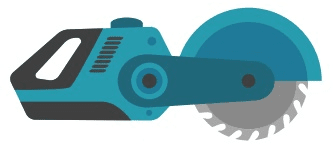
A skill saw, frequently described as a circular saw, is a power-saw that uses a toothed or abrasive disc to cut through products. Battery-powered skill saws run on rechargeable batteries, providing mobility and versatility since they can be used anywhere.
Key Benefits of Battery-Powered Skill Saws
| Advantage | Description |
|---|---|
| Portability | No cords means that users can run the saw in any place without reliance on power outlets. |
| Ease of Use | Normally lighter and more user-friendly than their corded counterparts. |
| Safety Features | Many models have built-in guards and automated brakes, improving user security. |
| Adaptability | Can be utilized for various applications, including cutting wood, metal, and plastic products. |
| Environmentally Friendly | Lithium-ion batteries tend to have a lower ecological effect compared to conventional gas-powered tools. |
Technical Specifications to Consider
When purchasing a battery-powered skill saw, it's important to consider different technical requirements. Here's a relative table of typical features and what they indicate for performance.
| Feature | Description | Importance |
|---|---|---|
| Voltage | Measured in volts (usually 18V or 20V) | Higher voltage frequently translates to more power for tougher cuts. |
| Battery Type | Lithium-ion is prevalent | These batteries have a longer life-span and faster charging times. |
| Blade Size | Typical sizes include 6-1/2" to 8-1/4" | A bigger blade can manage thicker products however may be more cumbersome. |
| RPM (Revolutions Per Minute) | Critical for cutting speed | Greater RPM rates indicate quicker cutting capabilities. |
| Cutting Depth | Measurement of how deep a cut can be made | Identifies flexibility throughout different material thicknesses. |
Popular Battery-Powered Skill Saw Brands
The marketplace uses a range of brands, each with special products customized to various users' requirements. Below is a list of some well-regarded brands along with notable features that set them apart.
| Brand name | Notable Model | Secret Features |
|---|---|---|
| DeWalt | DCS570B | 7-1/4" blade, 5800 RPM, brushless motor, over 60% runtime improvement. |
| Makita | XSH03Z | 18V X2 (36V) Lithium-ion, lightweight style, high cutting efficiency. |
| Milwaukee | 2730-20 | Redlink Plus intelligence, 7-1/4" blade, 5,800 RPM, flexible and resilient. |
| Ryobi | P508 | 7-1/4" blade, 5,800 RPM, affordable, and light-weight. |
| Bosch | GKS18V-25GCE | 18V, light-weight, integrated LED light, ergonomic style. |
Choosing the Right Battery-Powered Skill Saw
When thinking about which battery-powered skill saw to purchase, it's important to evaluate particular use cases and choices. Here are some elements to take into consideration:
- Application: Determine what kinds of projects you will use the saw for (e.g., framing, trim work, or sturdy building and construction).
- Battery Life: Assess the length of time you normally work without access to charging stations and think about buying additional batteries for extended use.
- Weight: Consider how comfy the tool feels when held for prolonged durations, as a lighter saw can decrease user fatigue.
- Functions: Look for extra features that improve use, such as electric brakes, dust blowers, and laser guides.
- Price: Identify a budget plan that accommodates both the saw and the needed devices, such as additional batteries or blades.
Regularly Asked Questions (FAQ)
1. For how long does the battery of a skill saw last?
Battery life depends on usage frequency, the product being cut, and the saw's load. Normally, an 18V lithium-ion battery can last for 30-60 minutes of continuous usage.
2. Can battery-powered skill saws cut through thick materials?
Yes, battery-powered skill saws can cut through thick materials, but achieving the very best outcomes frequently needs utilizing a premium blade and proper saw for the thickness and kind of product.
3. Do I require unique blades for a battery-powered skill saw?
No, you do not need specific blades for battery-powered saws; nevertheless, using quality blades created for the material you're cutting will supply better performance and longer-lasting cuts.
4. Are battery-powered skill saws safe?
Battery-powered skill saws come with different security functions, however proper handling and adherence to safety guidelines are still crucial to guarantee user safety.
5. How do I preserve my battery-powered skill saw?
Routine maintenance includes cleaning up the tool, examining the battery for damage, examining loose screws, and replacing blades that are used or damaged.
Battery-powered skill saws represent a remarkable advancement on the planet of woodworking tools, integrating the effectiveness of conventional skill saws with the freedom of cordless innovation. As Power Tools Online continue to get popularity, it appears that their functions use considerable benefits over their corded equivalents. By considering the requirements, credible brands, and your specific needs, anybody can discover a battery-powered skill saw that improves their projects and offers top quality results whenever.